Are tiny, annoying flies buzzing around your beloved houseplants? You’re likely dealing with fungus gnats, a common household pest that can quickly become an infestation. While they don’t directly harm your plants, they are a nuisance, and their larvae can damage delicate roots.
The good news? You don’t need harsh chemicals or expensive solutions. With a few simple, natural methods, you can banish fungus gnats from your houseplants for good. This comprehensive guide will show you how to identify them, understand their lifecycle, and implement five effective strategies to reclaim your green space.
What Are Fungus Gnats? (And Why They Love Your Plants)
Before we can get rid of them, it helps to understand your enemy. Fungus gnats (Sciaridae family) are small, dark, mosquito-like insects, typically 1/8 to 1/16 inch long. They are often mistaken for fruit flies, but fungus gnats prefer the damp soil of your houseplants.
Their Lifecycle: Fungus gnats thrive in moist conditions. The adult gnats lay their eggs in the top inch or two of damp soil. These eggs hatch into tiny, clear or white larvae that feed on fungi, decaying organic matter, and sometimes even the delicate roots of your plants. After about 2-3 weeks, the larvae pupate and then emerge as adult gnats, ready to start the cycle all over again. A single gnat can lay up to 200 eggs!
Why Your Plants Attract Them: They’re not attracted to your plants themselves, but to the moist soil and decaying organic matter often present in potting mixes. Overwatering is the number one culprit for inviting these pests into your home.
1. The Golden Rule: Let Your Soil Dry Out
This is the single most important and effective step in controlling fungus gnats. Fungus gnat larvae cannot survive in dry soil.
If the top 1-2 inches of your potting mix are constantly moist, you’re providing the perfect breeding ground.
How to Implement:
- Water Less Frequently: Instead of watering on a schedule, check the soil moisture. Stick your finger 1-2 inches deep. If it feels moist, wait.
- Bottom Watering: Place your potted plant in a tray of water for 15-30 minutes. The plant will absorb what it needs from the bottom, leaving the top layer of soil much drier.
- Improve Drainage: Ensure your pots have drainage holes and aren’t sitting in standing water.
- Remove Saucer Water: Always empty excess water from saucers after watering.
By simply changing your watering habits, you can drastically reduce gnat populations by destroying their breeding habitat.
2. Trap Adult Gnats with Yellow Sticky Traps
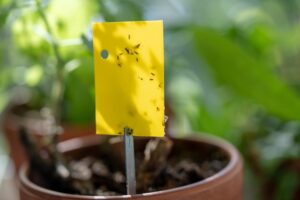
While drying out the soil tackles the larvae, you also need to catch the flying adults before they can lay more eggs. Yellow sticky traps are incredibly effective for this.
Why Yellow? Fungus gnats, like many other flying insects, are attracted to the color yellow. These small cards are coated with a non-toxic, super-sticky adhesive.
How to Implement:
- Place Strategically: Insert the sticky traps directly into the soil of infested plants, or hang them near the plants.
- Replace Regularly: Once they are covered in gnats, simply replace them with fresh ones.
- Monitor: They also act as a great monitoring tool, helping you gauge the severity of your infestation.
You’ll be amazed at how many gnats these traps can catch, quickly breaking the breeding cycle by removing the egg-laying adults.
3. Starve the Larvae with a Sand or Gravel Top Dressing
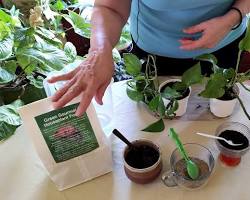
Since fungus gnats lay their eggs in the top layer of soil, creating a barrier can prevent them from accessing this crucial breeding ground.
How to Implement:
- Add a 1-inch Layer: After watering, apply a 1-inch layer of decorative sand, fine gravel, or even horticultural grit over the top of the potting mix.
- Maintain Dryness: This layer dries out quickly and makes it impossible for adult gnats to lay eggs in the moist soil below. It also prevents newly hatched larvae from easily moving into the soil.
- Aesthetic Appeal: As a bonus, it can also look quite nice!
Ensure the layer is thick enough to create a true barrier and isn’t easily disturbed.
4. Unleash the Power of Bacillus Thuringiensis Israelensis (BTI)
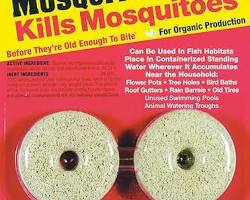
For more stubborn infestations, or if you want an extra layer of defense, Bacillus Thuringiensis Israelensis (BTI) is a biological larvicide that’s completely safe for plants, pets, and humans.
How it Works: BTI is a naturally occurring bacterium that specifically targets the larvae of fungus gnats (and mosquitoes). When the larvae ingest the BTI, it produces toxins that disrupt their digestive system, killing them within a few days. It does not affect adult gnats, only the larvae.
How to Implement:
- Use BTI “Dunks” or Granules: These are commonly available at garden stores. Simply break off a piece of a “mosquito dunk” and let it steep in your watering can for 24 hours, then use that water to irrigate your plants. Or, sprinkle BTI granules directly onto the soil before watering.
- Repeat Treatment: Use BTI water for your next few waterings to ensure you catch all successive generations of larvae.
This method is highly effective at breaking the gnat lifecycle at the larval stage, without introducing any harmful chemicals to your home.
5. Neem Oil: A Natural Repellent and Larvicide
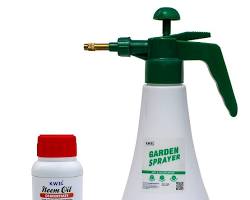
Neem oil, extracted from the neem tree, is a powerful natural pesticide that works in multiple ways to combat fungus gnats. It’s safe for indoor use when diluted correctly.
How it Works:
- Disrupts Lifecycle: Neem oil acts as an insect growth regulator, interfering with the gnat’s ability to mature and reproduce.
- Anti-Feedant: It makes the soil less appealing for larvae to feed on.
- Systemic Action (Mild): When watered into the soil, plants can absorb some of the neem oil, making the plant itself less palatable to pests.
How to Implement:
- Dilute Correctly: Mix 1-2 tablespoons of cold-pressed neem oil with a teaspoon of mild dish soap (as an emulsifier) per gallon of warm water.
- Soil Drench: Water your plants with this solution. The neem oil will penetrate the soil, targeting the larvae.
- Foliar Spray (Optional): You can also lightly spray the plant foliage to deter adult gnats, though the primary target for fungus gnats is the soil.
- Apply Weekly: Repeat this treatment weekly for several weeks until the infestation is gone.
Always test neem oil on a small part of the plant first to ensure there’s no adverse reaction.
Final Thoughts: Consistency is Key
Getting rid of fungus gnats requires a multi-pronged approach and a bit of patience. By combining improved watering habits with traps, barriers, and natural larvicides, you’ll see a dramatic reduction, and eventually, the complete elimination of these annoying pests.
Stay consistent with your chosen methods, and remember that prevention—primarily through mindful watering—is always the best defense against fungus gnats. Enjoy your healthy, pest-free houseplants!
About the Author